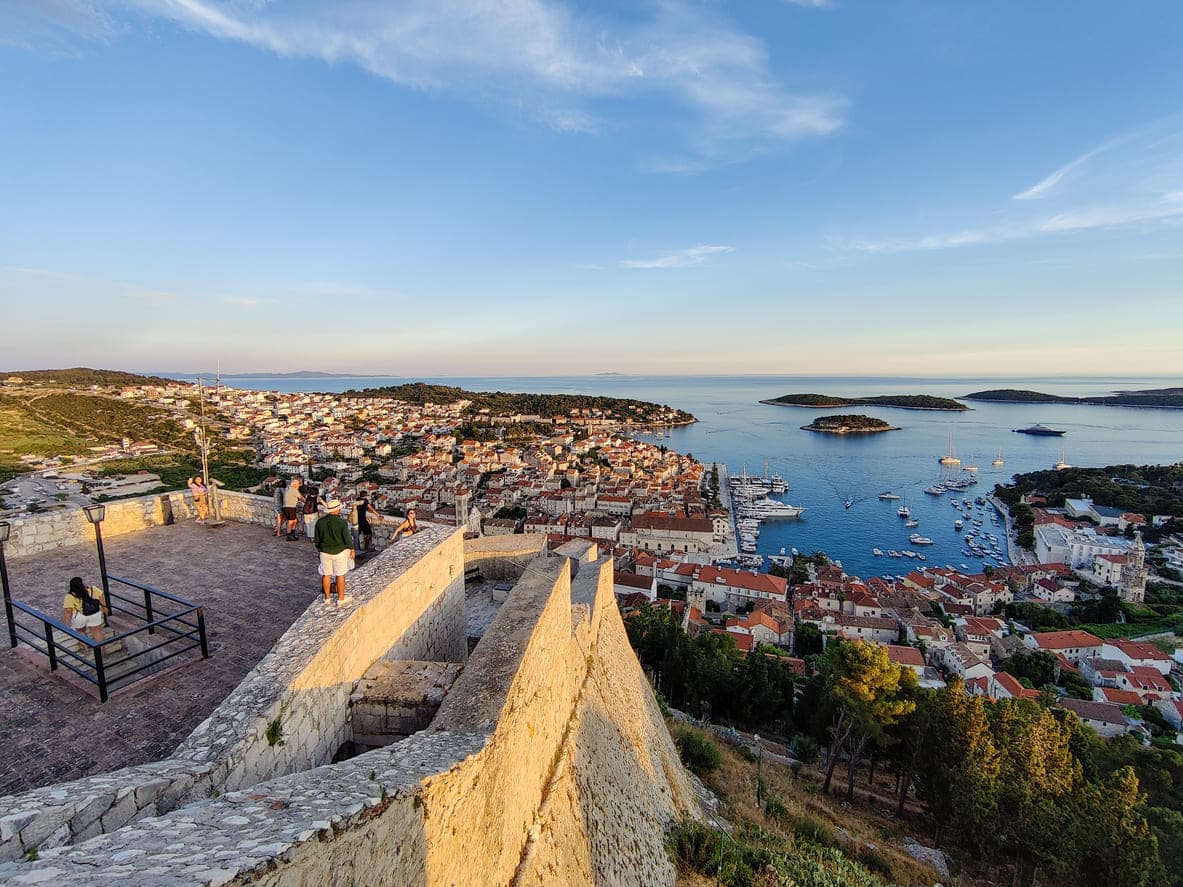
Fortica (Spanjola) Fortress
This 16th-century fortification sits above the old town, offering a vantage point over the harbor and the Pakleni Islands.
Arrive between 09:00–10:30 for clear views and fewer crowds.

Hvar draws more than half a million visitors each summer, yet opinions split sharply between those who found it transformative and those who left disappointed. This guide weighs the island's strengths against its limitations, using visitor data, seasonal patterns, and local logistics to help you decide whether Hvar belongs on your itinerary.
Quick answer
Yes, Hvar is worth visiting if you value natural beauty, historic architecture, and Mediterranean culture—but timing and expectations matter. The island offers UNESCO-protected landmarks, clear Adriatic waters, and a compact Old Town walkable in under an hour. Summer crowds can overwhelm the harbor district, and prices run 20-30% above mainland Croatia. Plan for early morning exploration and mid-week arrivals to experience Hvar at its best.
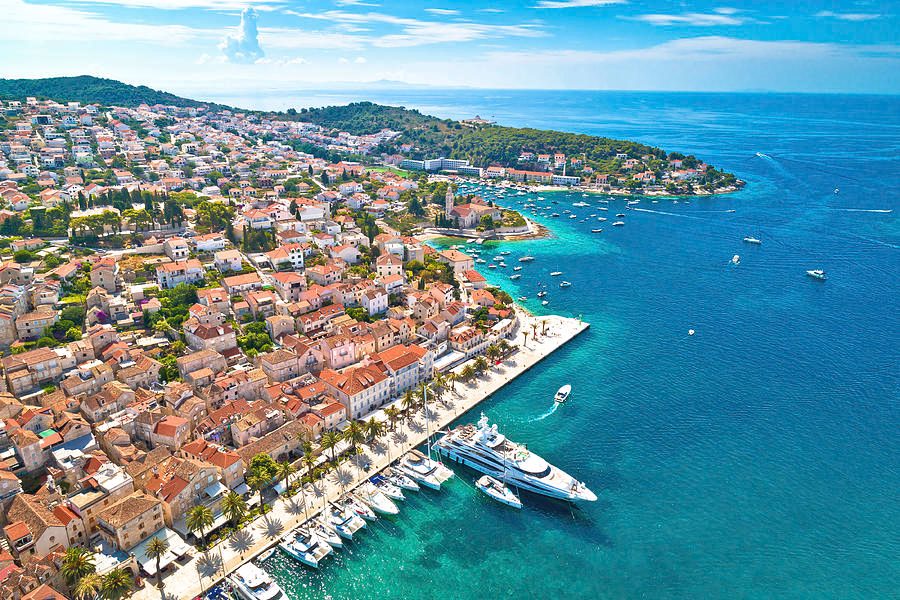
Hvar holds the record as the sunniest location in Croatia, averaging 2,724 hours of sunshine annually—a figure that shapes both the island's appeal and its challenges. The town itself clusters around a harbor protected by the Pakleni Islands, with a Renaissance cathedral anchoring a marble-paved square that has served as the civic heart since the 13th century. Above the waterfront, the Fortica fortress traces a defensive perimeter built under Venetian rule, its ramparts now offering unobstructed views across the archipelago. The question of whether Hvar merits a visit hinges less on the island's inherent qualities—which are substantial—than on what you expect to find and when you arrive. The case for Hvar rests on specifics. The Old Town preserves a legible Venetian layout, with vaulted passageways and stone facades that have weathered six centuries of Adriatic storms. Lavender fields stripe the island's interior plateau, and vineyards producing Plavac Mali and Bogdančuša grapes occupy the southern slopes. The Pakleni archipelago lies fifteen minutes offshore by water taxi, delivering secluded coves and pine-shaded trails absent from the main island. Cultural infrastructure includes the Arsenal theater, one of Europe's oldest public playhouses, and a Franciscan monastery housing a cypress believed to be three centuries old. These elements cohere into a destination that rewards curiosity and movement beyond the harbor promenade. The case against Hvar centers on density and cost. July and August bring cruise-ship arrivals that can swell the daytime population by several thousand, compressing foot traffic into the waterfront district and driving restaurant wait times past an hour. Accommodation prices peak between mid-June and early September, with even modest guesthouses exceeding €120 per night. The island's compact geography means that popular sites—the fortress, the cathedral, the harbor esplanade—lie within a ten-minute radius, and visitors who prioritize extensive exploration may exhaust the town's marquee attractions in a single day. Ferry schedules favor summer service, leaving shoulder-season travelers with fewer daily connections and limited access to outer islands. The Dalmatian coast offers alternatives with different trade-offs. Korčula delivers comparable Venetian architecture with gentler crowds and lower prices, though it lacks Hvar's late-night energy. Vis provides remoteness and World War II history but requires longer ferry crossings and offers fewer dining options. Brač counters with Zlatni Rat beach and proximity to Split, yet its interior villages see minimal tourist infrastructure. Whether Hvar justifies a visit depends on weighting these variables—if the island's combination of accessibility, preserved history, and Adriatic clarity aligns with your travel priorities, the answer tilts decisively toward yes.
“Hvar holds the record as the sunniest location in Croatia, averaging 2,724 hours of sunshine annually—a figure that shapes both the island's appeal and its challenges.”
The shoulder months of May, June, September, and October provide the most balanced experience for those seeking comfortable temperatures and reduced tourism density. For site-specific visits, the best arrival window is 09:00–10:30 to avoid peak heat and maximize photo clarity.
Mild, 18°C to 23°C. Ideal for outdoor exploration without high-summer intensity.
Warm, 24°C to 27°C. Favorable for coastal activities before or after peak humidity.
Hot, 28°C to 32°C. Expect busy pedestrian zones and high demand for maritime transit.
— Arrival between 09:00–10:30 offers the quietest conditions for exploring historical sites.
Verdict: Visit during May or October for moderate weather, and prioritize the 09:00–10:30 arrival window to experience the island during its quietest hours.
Hvar offers a concentration of historical architecture and cultural landmarks that define the island's character. Exploring these sites provides context for the region's heritage beyond its coastal scenery.
This 16th-century fortification sits above the old town, offering a vantage point over the harbor and the Pakleni Islands.
Arrive between 09:00–10:30 for clear views and fewer crowds.
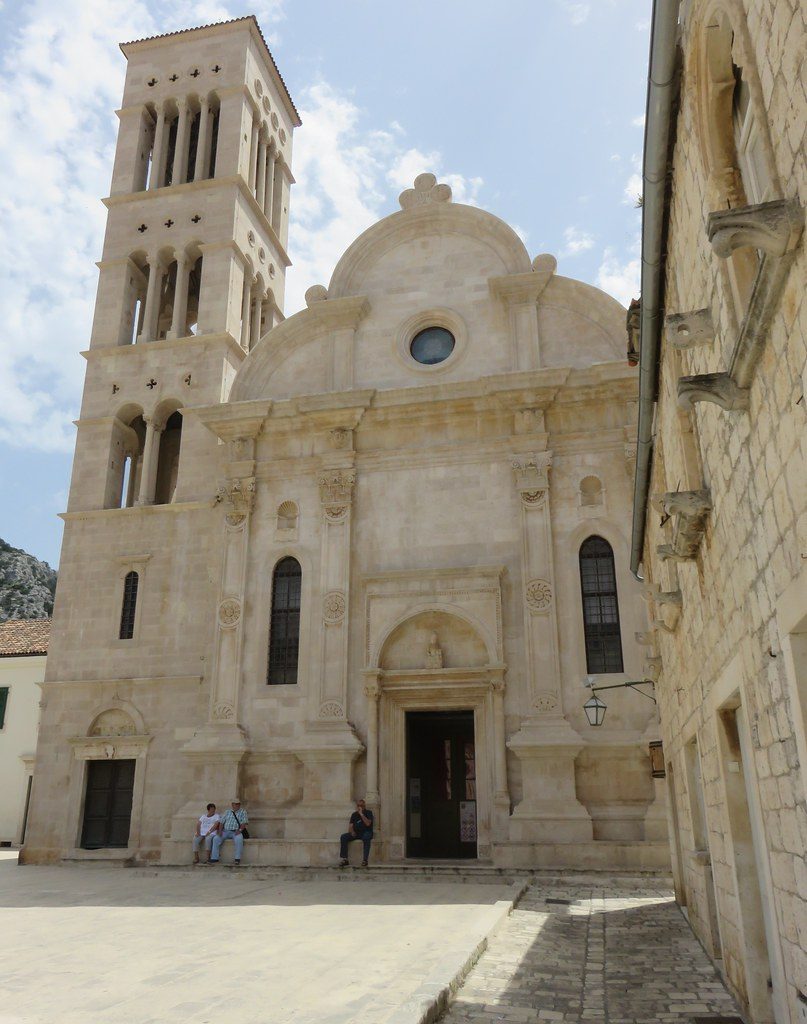
Located at the eastern end of the town square, this Renaissance-era cathedral houses a collection of religious art and artifacts.
Walk the square perimeter to view the distinct clock tower.
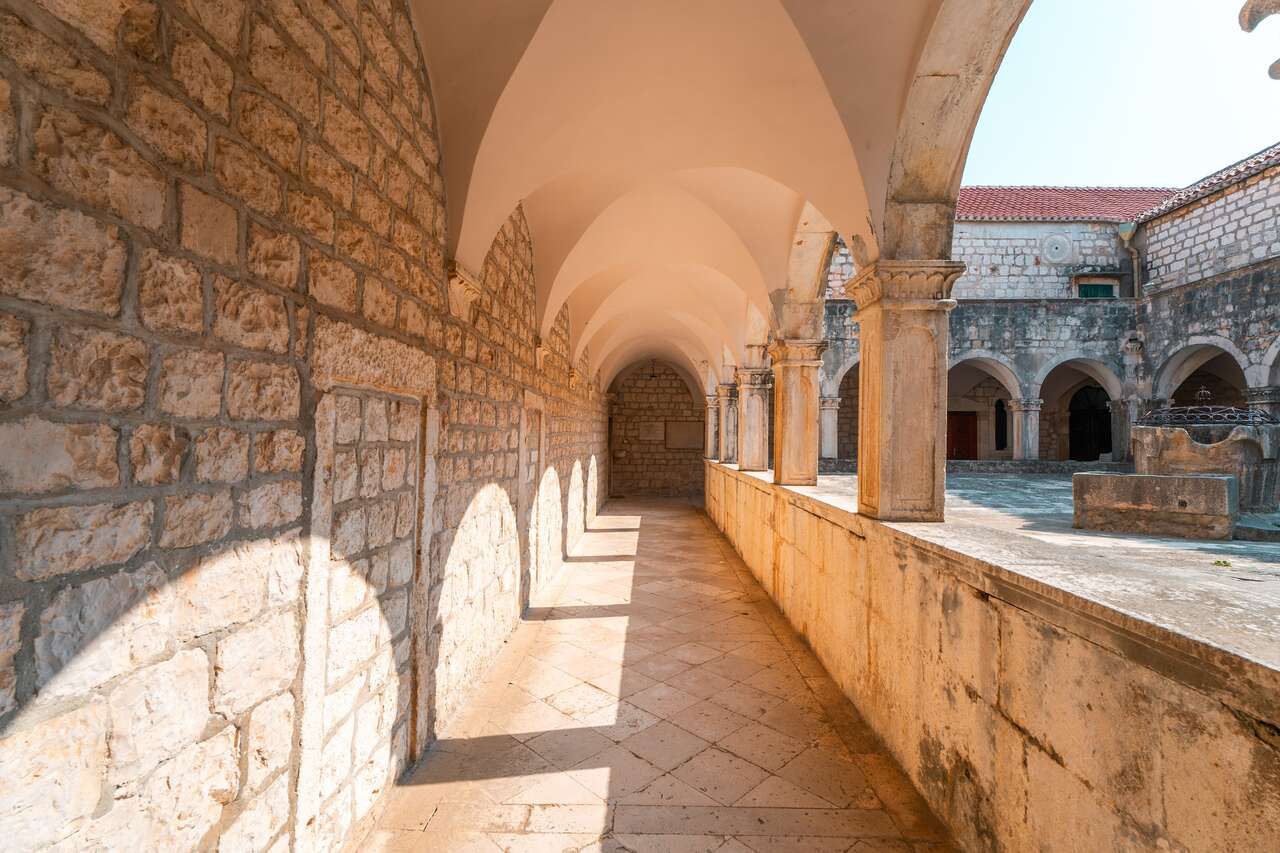
Home to a 16th-century cloister and a library containing rare manuscripts, this quiet site offers insight into local monastic history.
Look for the ancient cypress tree in the garden courtyard.
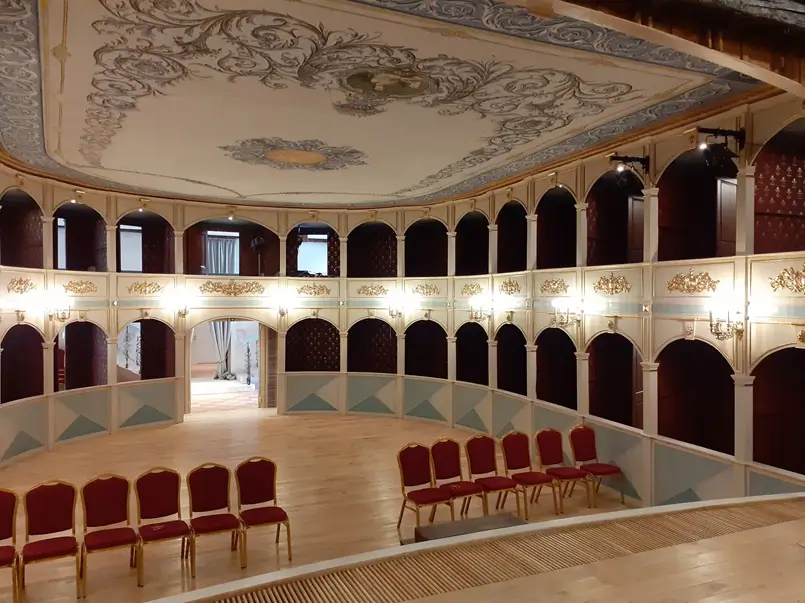
Established in 1612, this is one of the oldest public theaters in Europe, situated within the historic Arsenal building.
Observe the interior architecture during a guided tour period.
The Fortica (Spanjola) Fortress operates on a consistent daily schedule throughout the week. Visitors can verify the latest operational updates and plan their visit through the official site at https://www.hvar.hr.
Hvar is located on the island of Hvar in the Adriatic Sea and is primarily accessed by ferry or catamaran from Split. Regular maritime connections link the mainland to Hvar Town harbor, placing you directly in the center of the island's activity.
Jadrolinija Catamaran from Split Port to Hvar Town
Krilo Catamaran from Split Port to Hvar Town
Čazmatrans local line from Stari Grad Ferry Port to Hvar Town
D8 Road from Stari Grad Ferry Port to Hvar Town
If you arrive via the larger car ferry at Stari Grad, take the local bus or a taxi to reach Hvar Town. To ensure a smooth experience for your visit to the fortress at Put Vlade Avelinija 2, 21450, Hvar, Croatia, we recommend the arrival window of 09:00–10:30.
Hvar serves as an ideal base for exploring the surrounding Adriatic islands, allowing travelers to balance the town's historic energy with quiet coastal escapes. Combining a visit to Hvar with these nearby destinations creates a comprehensive itinerary of the Dalmatian coast.
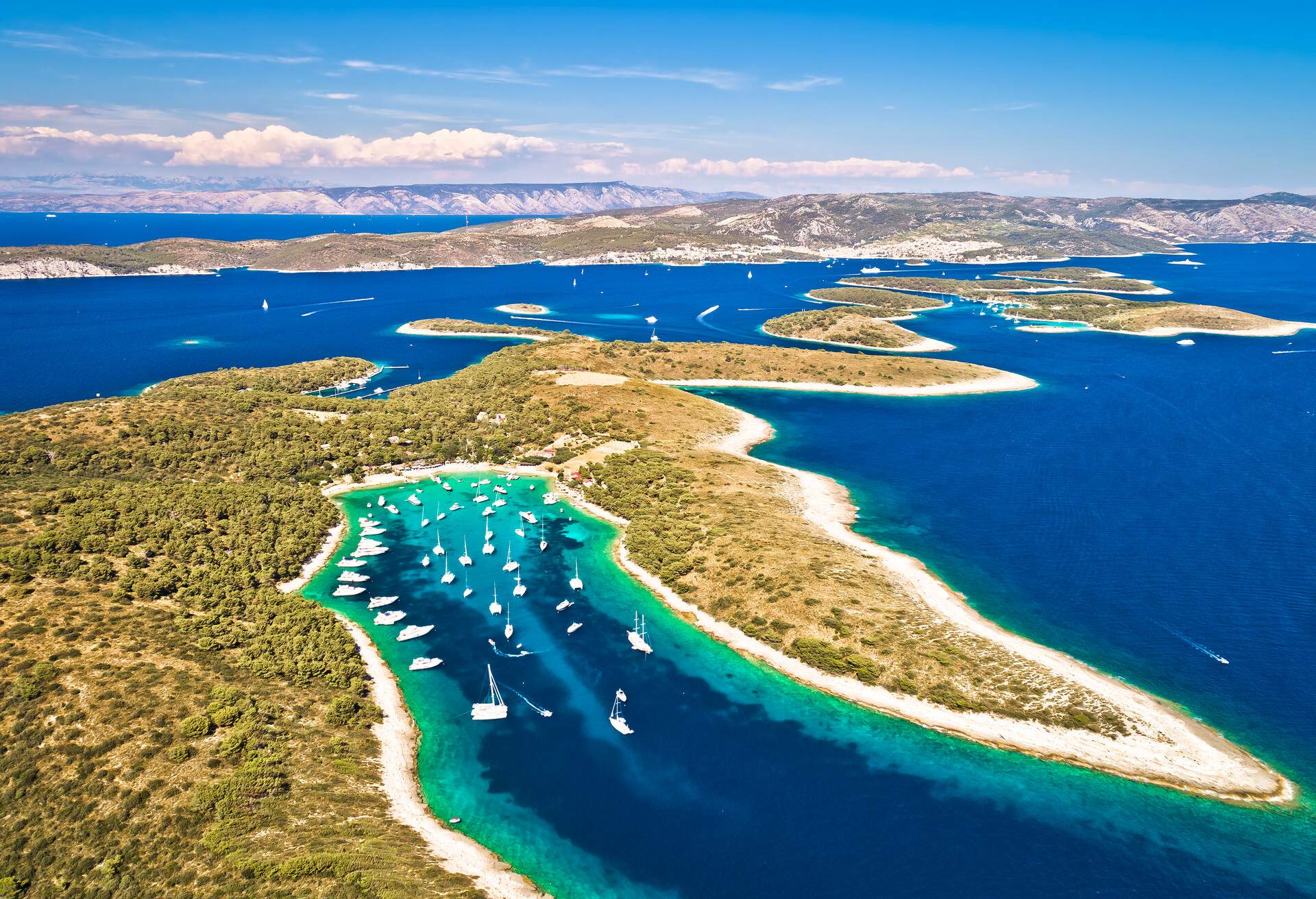
20 min boat ride
This archipelago offers secluded coves and clear waters that provide a natural contrast to the historic environment of Hvar town.
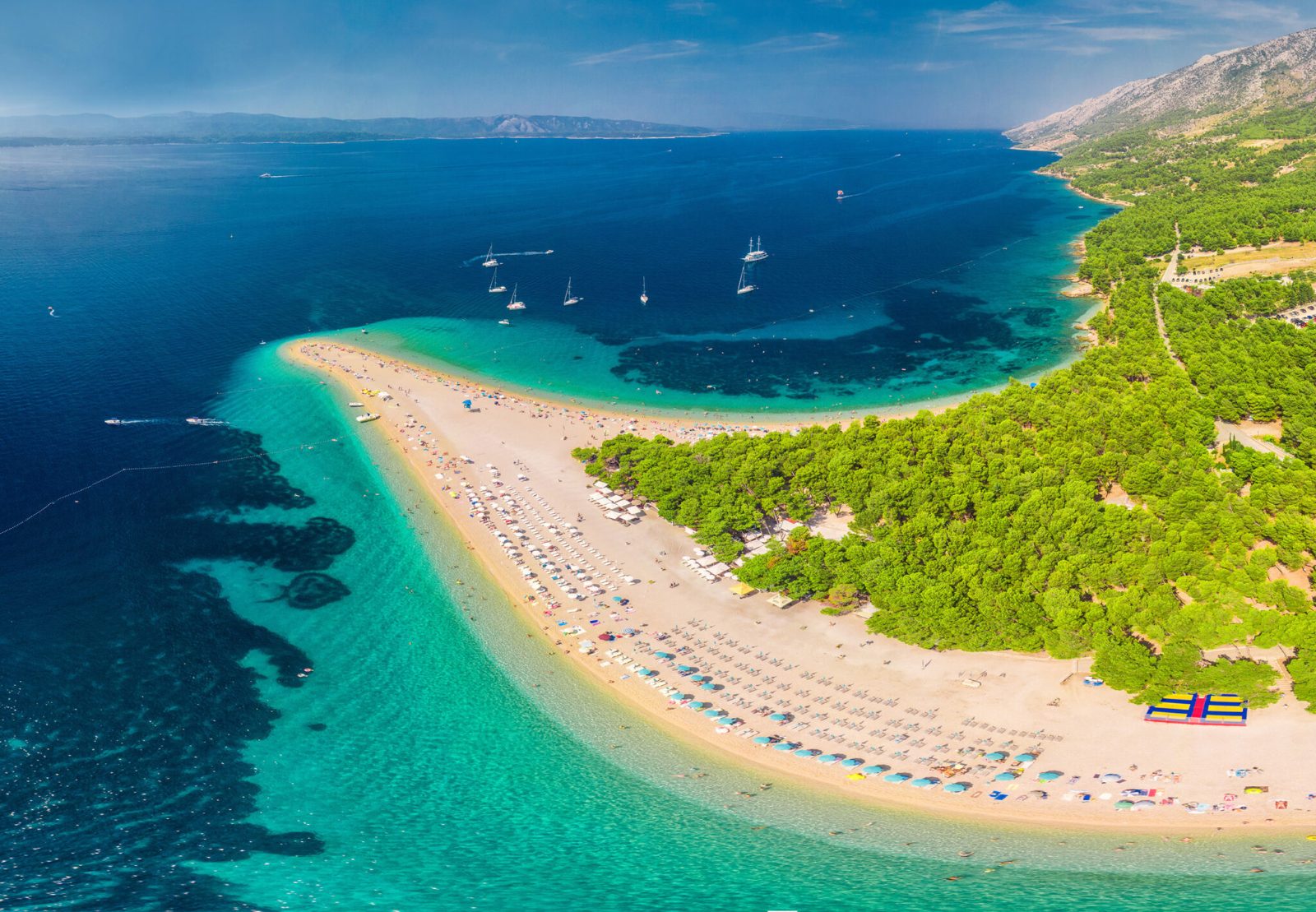
1 hour boat ride
Known for the Zlatni Rat beach, this island offers a distinct landscape and quiet stone villages that complement the Hvar wine region experience.
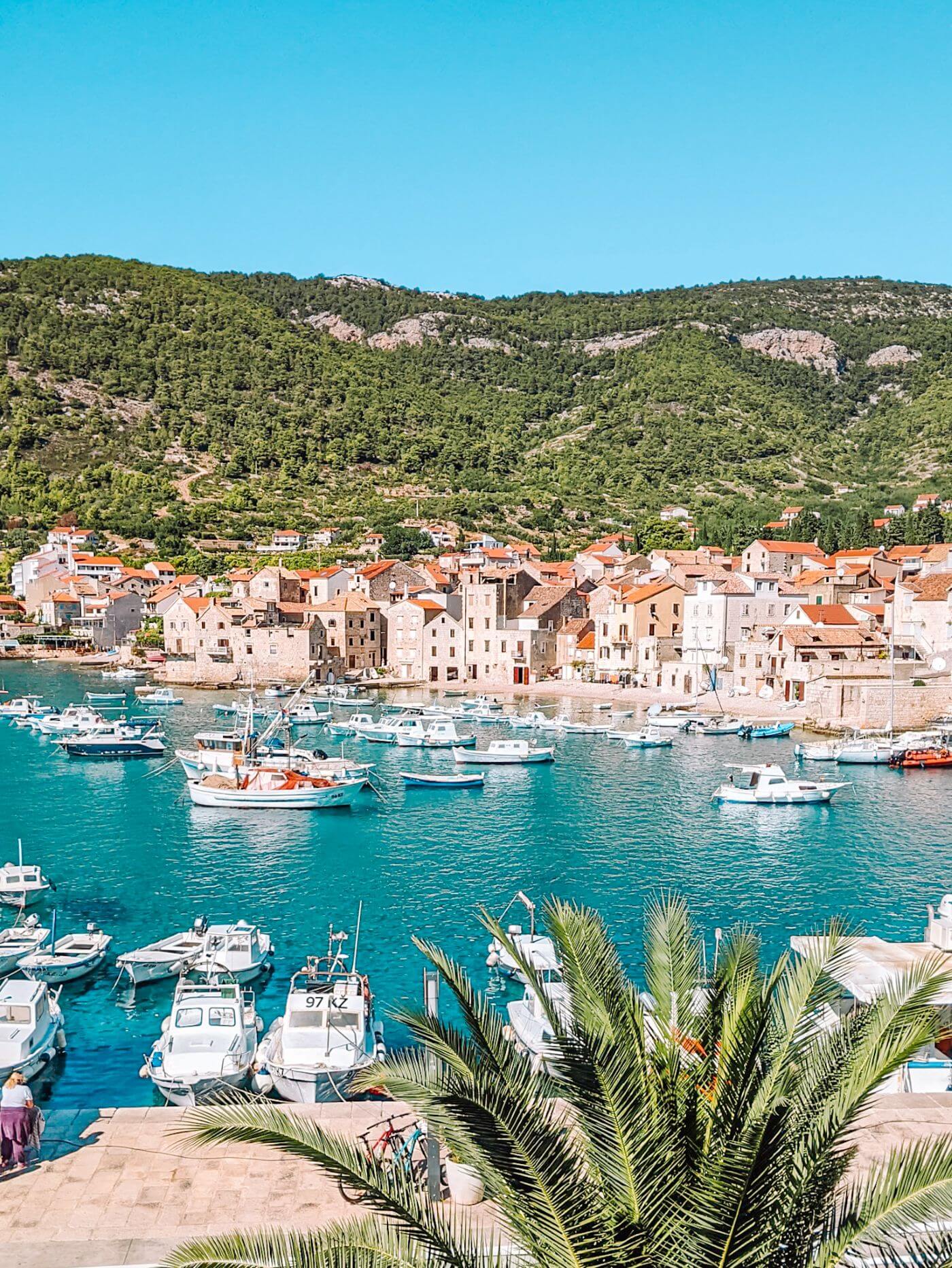
1.5 hour boat ride
This outer island provides a rugged, authentic atmosphere and preserved maritime history for those seeking a slower pace after exploring Hvar.
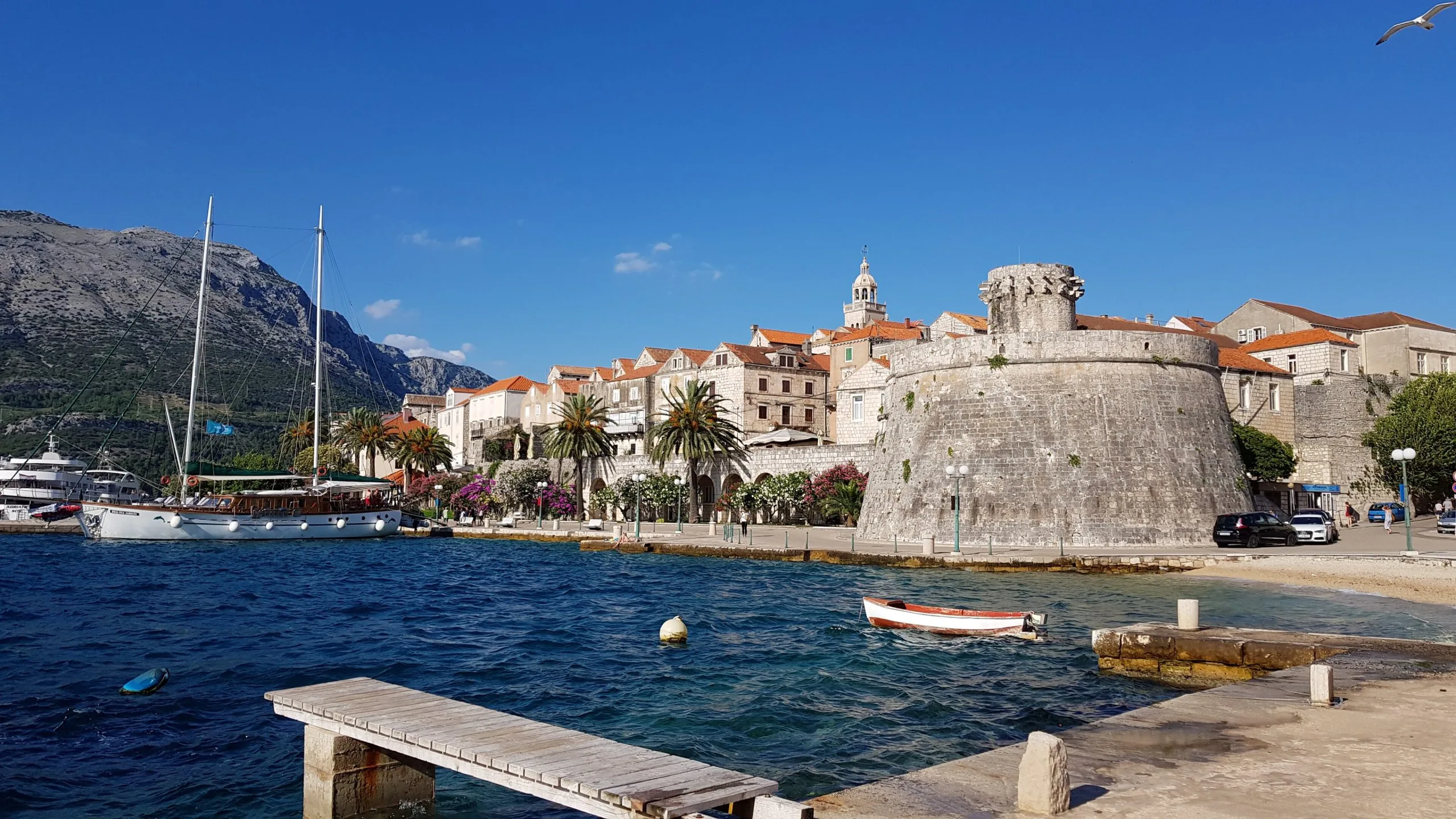
2 hour boat ride
Often noted for its medieval walled old town, Korčula offers a similar architectural profile to Hvar with unique local traditions and maritime heritage.
Everything you need to know about is hvar worth visiting
Travelers frequently ask is Hvar worth visiting, and the island generally meets expectations due to its blend of Adriatic culture and heritage. It offers a distinct Mediterranean atmosphere that balances historic charm with coastal leisure. Many visitors find that an Hvar landmark tour enhances their appreciation of the island's unique history. Because of its diverse appeal, many conclude that yes, is Hvar worth visiting for a comprehensive island experience.
The Fortica (Spanjola) Fortress is a primary attraction for those wondering is Hvar worth visiting for the views. It offers a panoramic perspective of the harbor and Pakleni Islands that defines the coastal scenery. We recommend visiting early in the day to enjoy the best light for photography. This site remains one of the most significant landmarks for travelers exploring the island.
Hvar Town serves as a center for Dalmatian history, featuring preserved architecture and stone alleys. Those researching is Hvar worth visiting often discover the value of its medieval walls and local heritage. Walking through the historic center provides a sense of the island's long-standing connection to the sea. It remains a key destination for anyone exploring Croatian landmarks.
Admission to the Fortica (Spanjola) Fortress is 10 EUR for adults. This fee covers access to the historic structure and the observation points overlooking the town. Budgeting for this cost is a helpful step for those deciding is Hvar worth visiting on a modest budget. Please check the official site for any updates regarding visitor policies.
Hvar provides a mix of beaches and historic sites suitable for families. While the nightlife is well-known, the island's daytime attractions and boat excursions appeal to many age groups. Determining is Hvar worth visiting with children often depends on balancing beach time with historical exploration. It is a destination that offers variety beyond its reputation for evening entertainment.
The best arrival window for the fortress is 09:00–10:30. Arriving during this period helps you avoid peak daytime heat and crowds. Following this schedule ensures a better experience when touring the island's most popular sites. It is a practical tip for those considering is Hvar worth visiting during the high season.
August is a popular time for visitors, though it can be busy. Many find that the warm waters and vibrant atmosphere make the island appealing during this season. If you plan your itinerary to visit popular sites early, you will find that is Hvar worth visiting even during the peak summer months.